
Law Court in Pakistan: Complete List of All Courts
A clear guide to every major court in Pakistan, from the Supreme Court to district and special courts.
A law court in Pakistan is the place where citizens, businesses and the state settle legal disputes under the Constitution of 1973. The system has many layers. Therefore, knowing which court hears your case saves time and money. In this guide, Law Empire Karachi lists every major court in Pakistan.
Structure of the Law Court System in Pakistan
Pakistan follows a hierarchy. First, district courts hear most cases at the trial stage. Next, High Courts review appeals and constitutional petitions. Finally, the Supreme Court decides the most important legal questions.
In addition, special courts deal with subjects like banking, terrorism, corruption and tax. Each court has its own jurisdiction. As a result, filing in the wrong court can delay your case by months.
- Supreme Court of Pakistan
- High Courts and Federal Shariat Court
- District and Sessions Courts
- Civil, Family and Magistrate Courts
Superior Courts of Pakistan
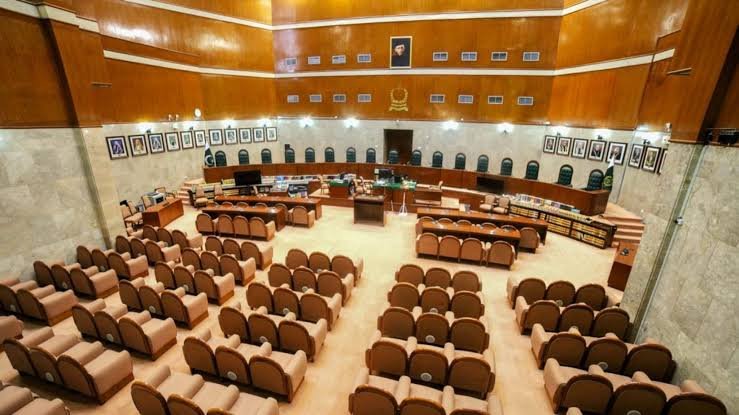
The superior judiciary protects fundamental rights and interprets the Constitution. Here are the main courts.
Moreover, the 27th Constitutional Amendment of 2025 created the Federal Constitutional Court for constitutional disputes. Since jurisdiction rules may change, always confirm the current position with an advocate before filing.
Azad Jammu & Kashmir and Gilgit-Baltistan also have their own Supreme Courts and High Courts or Chief Courts under local laws.
District and Subordinate Courts in Pakistan
District courts are where most people first meet the judiciary. Every district has a hierarchy of judges.
District and Sessions Courts
The Sessions Judge hears serious criminal cases like murder, robbery and narcotics. Additional Sessions Judges assist with the workload. Appeals from magistrates also reach this court.
Civil Courts
Civil Judges decide property, contract, recovery and inheritance disputes. For example, a dispute over a plot in Karachi starts in the civil court of that district.
Family Courts
Family Courts work under the Family Courts Act 1964. They hear divorce, khula, dower, child custody and maintenance cases. Notably, they aim for quick, simple procedure.
Magistrate Courts
Judicial Magistrates conduct preliminary criminal proceedings. They handle bail in minor offences, remand and less serious crimes.
Special Courts and Tribunals in Pakistan
Special courts focus on one subject. Consequently, they decide cases faster than ordinary courts. The most common ones are listed below.
Banking Courts decide loan recovery cases between banks and customers. Anti-Terrorism Courts try terrorism and related offences. Accountability Courts hear corruption cases brought by NAB. Special Courts (Control of Narcotic Substances) try drug offences.
Customs, Excise and Sales Tax Appellate Tribunal and the Appellate Tribunal Inland Revenue hear tax appeals. Labour Courts and the National Industrial Relations Commission handle worker disputes. Consumer Courts, Environmental Tribunals and the Federal Service Tribunal cover consumer, environmental and government employee matters. Also, Cyber Crime courts try offences under PECA 2016.
To read the laws behind these courts, use the official Pakistan Code portal. For judicial reform reports, see the Law and Justice Commission of Pakistan.
How to Choose the Right Court
Follow these simple checks before filing a case:
Subject matter: Is it civil, criminal, family or tax? Territory: Where did the cause of action arise, or where does the defendant live? Value: Some courts have monetary limits. Remedy: A writ against a government body goes to the High Court under Article 199.
However, rules differ for each case. An experienced advocate can confirm the correct forum within minutes.
Law Court in Pakistan: Courts in Karachi
Karachi is the legal hub of Sindh. The Sindh High Court sits at its principal seat here. In addition, Karachi has District Courts in the East, West, South, Central, Malir and Korangi districts. Banking, anti-terrorism and accountability courts also operate in the city.
Whatever your matter is, our team can guide you. See our practice areas to find a lawyer in DHA, Clifton, Gulshan, Saddar, Malir, Korangi or any other locality.
Need Help With Your Court Case?
Speak to an experienced advocate at Law Empire Karachi today.
Book a ConsultationFAQs About Courts in Pakistan
How many High Courts are there in Pakistan?
Pakistan has five High Courts: Lahore, Sindh, Peshawar, Balochistan and Islamabad.
Which court hears family cases in Pakistan?
Family Courts at district level hear divorce, khula, custody and maintenance cases.
Where can I appeal a High Court decision?
You can usually appeal to the Supreme Court of Pakistan, subject to the law and the nature of the case.
Conclusion
The law court in Pakistan system is layered, but it is easy to follow once you know each role. Start at the right court, keep your documents ready and take expert advice early. Finally, Law Empire Karachi is ready to guide you at every level.